Flathead Sellers
What should I gather before listing my home at Whitefish Mountain Resort?
Gather your HOA documents, any rental history, disclosure items, records of work done on the home, and photos from more than one season, because the buyer for a mountain home may be deciding from another state.
On this page
The short answer for mountain sellers
Before you list a home at Whitefish Mountain Resort, gather five things: the HOA documents, any rental history the home has, your disclosure items, records of work done on the property, and photos taken in more than one season. Those five cover most of what a buyer will ask in the first round of questions. Having them in one place before the listing goes live means you answer from a folder instead of from memory.
This matters more at Whitefish Mountain Resort than it might in town. The person who ends up buying your resort home may not live nearby. They may be reading the listing from another state, comparing it with homes in other mountain towns, and deciding whether a trip to see it in person is worth the time. What you have ready shapes that decision. A complete, organized set of answers makes the trip feel worthwhile, while a list of unknowns gives them a reason to keep scrolling.
None of this is about predicting a price or a timeline. Nobody can promise either. It is about removing the gaps that slow a buyer down or make them hesitate. Gathering the paperwork and the photos early means fewer details to chase once buyers start asking, and it gives you time to fill any gaps without a deadline over your shoulder.
Start with the HOA paper trail
If your home sits inside an HOA, its documents are usually the first thing a serious buyer wants. They explain what the association covers, what owners are responsible for, and how decisions get made. Ask your HOA or its management contact what they can provide and how long it takes, because requests can take time. Gather what you can now so a buyer’s questions do not wait on an office. If something in the documents is unclear to you, note it, because a buyer will likely ask the same thing.
- The governing documents and any rules or policies the HOA currently has in place
- Recent meeting minutes, so a buyer can see what the board has been discussing
- Current dues information and what those dues cover, confirmed directly with the HOA
- Contact details for the HOA or its manager, so questions reach the right person
Records that answer a buyer’s practical questions
Beyond the HOA, think about the questions a careful buyer from far away will ask about the home itself. They cannot stop by on a Saturday to look around, so they lean on records. A short, organized set of papers tells them the home has been looked after and lets them plan their own inspections and conversations with confidence. Here is what to pull together, and none of it needs to be polished. A labeled folder, paper or digital, is plenty.
- Records of repairs, upgrades and maintenance, with dates and the names of who did the work
- Utility and service information for a typical winter month and a typical summer month
- Any rental history, if the home has been rented, kept factual and well organized
- Warranties, manuals and service contacts for appliances, heating and other systems
- A simple list of what stays with the home, including furniture and gear if relevant
Why photos from two seasons help
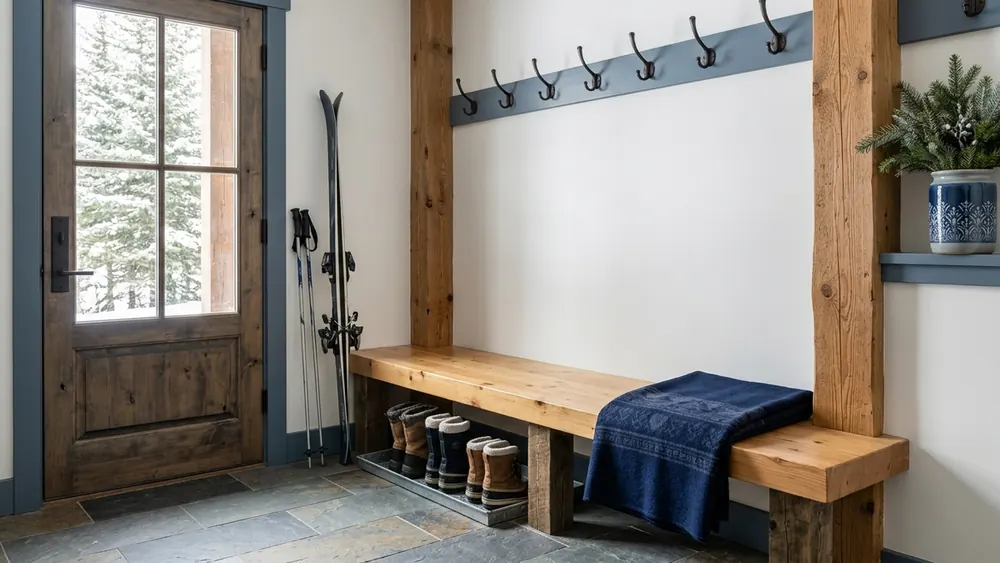
A mountain home is used differently in January than in July. A buyer wants to picture both. Winter photos show how the home feels when you come in from the cold with boots and gear. Summer photos show the deck, the light, and how the place works when the village shifts to hiking and biking. One season on its own tells half the story, and a buyer who only sees the summer version may wonder what they are missing in winter, or the other way around.
If you already have good photos from a past season, set them aside now. If you do not, think about whether there is time to capture the home in a second season before you list, or whether your own photos can fill the gap for the first conversations. A listing’s professional photography is a separate step, and we can talk about how to plan around it. Either way, label each photo with the month it was taken, so a buyer knows which season they are looking at.
Photos do one more job for a remote buyer. They help them decide which questions to ask. A clear picture of the entry, the storage, the parking and the outdoor space answers questions before anyone has to type them out. That keeps the early conversation focused on whether the home fits how they want to live, rather than on what it looks like. For someone deciding from far away, that difference can decide whether they plan a visit.
Disclosure items and the questions behind them
Disclosure is the part of selling where you share what you know about the property. The rules about what must be disclosed, and how, are set by the state and can change. Do not rely on what a neighbor did a few years ago. Confirm the current requirements with official Montana sources, and take anything uncertain to a real estate attorney. The listing paperwork itself is something we walk through together before anything is shared with a buyer.
What you can do now is write down what you know. Past repairs, anything you have noticed and fixed, anything you have noticed and not fixed, and anything you are unsure about. You do not have to decide yet how each item is handled. Having the list ready means the disclosure conversation starts from facts instead of a scramble. It also gives a licensed home inspector, hired by a buyer later, fewer surprises to uncover, because you have already said what you know.
I would rather you hand me a messy folder early than a perfect one late. We can sort it together, and every question a buyer asks gets a faster answer.
How the listing work is shared
Alexis is a partner on a two-agent team with Stephanie Skinner. Her recent closings were each co-listed with Stephanie on the seller side, including a townhome and a single-family home on acreage at Whitefish Mountain Resort. In practice, that means a listing has two people paying attention to it, sharing the follow-up, the documents and the questions that come in from buyers. When one of us is showing the home, the other can be answering a document request, so a remote buyer is not left waiting.
Before real estate, Alexis worked as an executive assistant to company CEOs, and she brings the same habits to a listing: checklists, organized folders, and follow-through. For a seller, the point is simple. The more organized the paperwork is before the listing starts, the easier it is for us to answer a buyer quickly and accurately, wherever that buyer happens to live. If a question goes beyond the real estate side, such as a legal, tax or insurance point, we point you to the right professional instead of guessing.
What to write down before we talk
You do not need everything gathered before a first conversation. Start with a short list. Note whether the home is in an HOA, whether it has ever been rented, which seasons you use it in, and what work you have done on it. Add any questions you already have about disclosure, timing or the paperwork. That list tells us where to begin, and it shows quickly which items are already in hand and which ones need a call to the HOA or a past contractor.
Then think about how you have actually used the home. How it works on a powder morning, where the gear goes, how it feels on a summer evening after a day near Flathead Lake or in Glacier National Park. Those details help a buyer from somewhere else understand the home, and you are the one who knows them. Write a few of them down. Short notes are fine, and they often become the most useful lines in the listing description.
When you are ready, bring your list and your questions to Alexis. There is no pressure to have it all figured out, and no promise about price or timing will come from the first conversation. The goal is a clear plan for what to gather and who confirms each detail. Start with what you have and we will fill in the rest together. What is the one document you think will be hardest to find?
This article is general information about buying and selling property at Whitefish Mountain Resort and around the Flathead Valley, Montana. It is not legal, tax, lending, valuation or inspection advice and does not predict prices or promise results. Confirm HOA and rental rules with the HOA and the local authority, land, shoreline and water questions with the county and qualified professionals, financing with a lender, and title with a title company. Alexis Waite Kennedy, Glacier Sotheby’s International Realty.

Written by