Resort Homes
Can I rent out my Whitefish Mountain Resort home when I’m not there, and how do I find out?
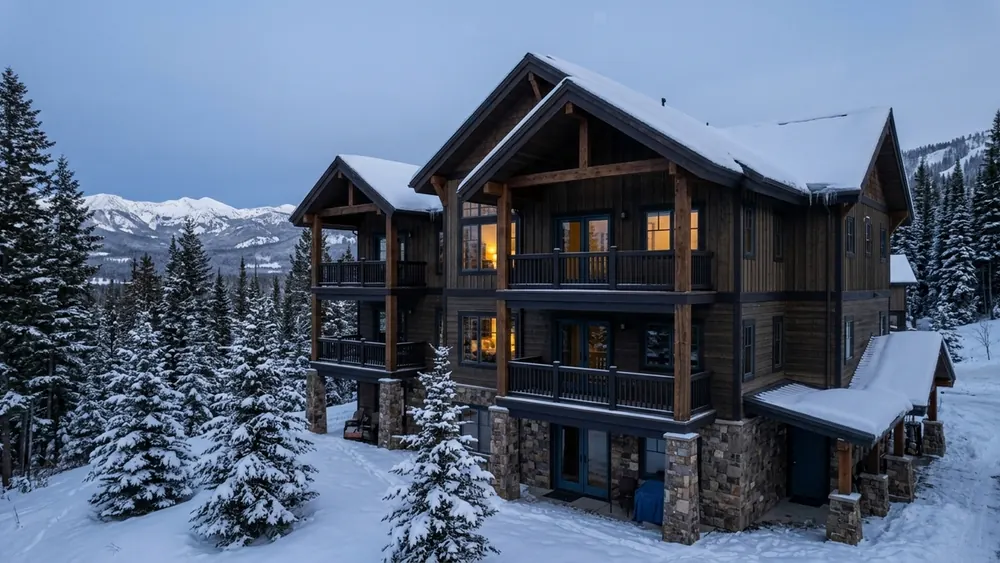
It depends on the specific property. Check the HOA documents and the local rules that apply to that home before you count on any rental use, and confirm the answer with the HOA and the local authority, not with a listing or a neighbor.
On this page
- The honest answer is that it depends
- Why listings and neighbors cannot confirm it
- Where rental answers usually come from
- How your situation changes the questions
- A step by step way to check
- Who answers which rental question
- Deciding whether the home works without rentals
- What to write down before you ask Alexis
The honest answer is that it depends
Whether you can rent out a home at Whitefish Mountain Resort when you are not using it depends on the specific property. The answer can come from the HOA documents, from the local rules that apply to that home and from other obligations tied to the property. Check all of them before you count on any rental use. Confirm the answer with the HOA and the local authority directly, because they give the official answers.
This matters because rental plans often shape how a buyer thinks about owning a mountain home. Some owners hope occasional rental use will help with the cost of ownership. Others never plan to rent and want to know what neighbors may be allowed to do. Either way, an assumption made early can lead to a decision that does not match the rules once you own the place. Finding out first is far easier than finding out later.
This article explains how to check, not what is allowed. It does not state what any association or jurisdiction permits, estimate rental income or suggest that renting is a good financial plan. Rules differ by property and association, and they change. The goal here is a clear process for getting reliable answers from the people responsible for them, so you can make your decision on facts rather than hopes.
Why listings and neighbors cannot confirm it
It is easy to hear that homes in an area are rented and assume yours can be too. A listing description might mention past rental use, a neighbor might describe what they do and an online calendar might show bookings nearby. None of those is an official answer for the home you want. Past use does not confirm current permission, and the rules for one property may not apply to the property beside it.
Rules can also change after you buy. Associations update their documents, and local rules can be revised. That is why the question is not only what applies today but also how changes are made and whether anything is under discussion. Reading recent meeting minutes and asking the HOA directly about pending changes gives you a fuller picture than a single rule read in isolation.
I never want you counting on a rental plan nobody has confirmed. Let’s find out from the HOA and the local authority first, then decide what fits.
Where rental answers usually come from
Start with the association. The governing documents and current rules may address rentals directly, including whether they are permitted and under what conditions. Read those sections closely, then ask the HOA to confirm what applies to the specific home. If the documents are silent or unclear, ask that question in writing and keep the answer. A real estate attorney can help you understand any language you are unsure about.
Next, look at the local rules. Depending on where a property sits, the local authority or the county may have its own requirements for renting a home. Ask which office handles the question for that address and what the current requirements are. Do not rely on a general answer about the whole area. Ask about the specific property, and write down who answered and when.
Finally, think about other obligations tied to owning and renting the home. Your lender may have its own expectations about how a property is used, and an insurance agent can explain how rental use may affect coverage. An accountant can talk through any tax questions. None of these professionals replaces the HOA or the local authority, but each one answers a part of the picture they cannot.
How your situation changes the questions
A townhome and a house can raise different questions. A townhome inside an association may have detailed rules about use, guests and parking, while a house may involve fewer association rules but still fall under local requirements. Either way, the specific property decides the answer. Say you own a townhome you use mostly in winter. The questions about renting it in summer start with the HOA documents and the local authority, not with what other owners do.
Buying from another state adds a practical layer. If you will not be nearby, think about who would handle check-ins, cleaning, repairs and emergencies, and whether the association has any expectations about that. Those are questions about how ownership would work day to day, not promises about income. Writing them down early helps you see whether renting fits your life before you commit to a property on the strength of it.
A step by step way to check
Use a simple, repeatable process for every property you are serious about. It keeps the question organized and makes sure each source gets asked. Follow these steps in order, and do not skip one because another source sounded confident. The same process works whether the home is a townhome inside an association or a house on its own piece of land, and it works just as well from another state as it does in person.
- Request the current HOA documents and read every section on use and rentals
- Ask the HOA in writing what rental rules apply to that specific home
- Ask the local authority or the county what requirements apply to that address
- Talk with a lender, an insurance agent and an accountant about the rest
Keep every answer in one file, with the name of the person and the date. If two sources seem to disagree, ask both again and ask a real estate attorney to help you sort it out. If you cannot get a clear answer before an offer, treat rental use as unconfirmed and decide whether the home still works for you without it. That one decision protects you from building plans on a guess.
Who answers which rental question
Each source answers its own part of the question. Mixing them up is how buyers end up with a confident answer from someone who is not responsible for it. This table shows where each question belongs. Use it as a checklist, add rows for anything specific to the home you are considering, and note the date beside each answer so you know how current it is when you make your decision.
| Question | Why it matters | Who to ask |
|---|---|---|
| Does the HOA permit rentals? | Association rules can limit or set conditions | The HOA and its current documents |
| Do local requirements apply? | Rules can depend on the property’s location | The local authority or the county |
| Are rule changes being discussed? | Today’s rules may not stay the same | The HOA and recent meeting minutes |
| How does rental use affect coverage? | Coverage needs can differ with rental use | An insurance agent |
| What are the tax questions? | Rental use can raise tax considerations | An accountant |
My role is to help you build the question list and make sure each question reaches the right source before you make an offer. I will not tell you what a rule allows, because that answer belongs to the HOA and the local authority. What I can do is keep the process organized so that nothing important is left to assumption.
Deciding whether the home works without rentals
One of the most useful questions is also the simplest: would you still want this home if renting were never possible? If the answer is yes, rental rules become a detail to understand rather than a deciding factor. If the answer is no, the home may depend on something you cannot control, and it deserves a much closer look before you go further.
Thinking about the home first as a place you will use, in winter, in summer or both, keeps the decision grounded. A home at Whitefish Mountain Resort that fits how you live is a sound starting point. Any rental use, if the rules allow it, is a separate question to confirm on its own terms. Keeping the two apart makes the choice clearer and the conversations with each source more productive.
What to write down before you ask Alexis
Before a first conversation, write down why rental use matters to you, how often you expect to use the home yourself and in which seasons. Note any properties you are already considering, and list the questions you have for the HOA and the local authority. If you are buying from another state, add who would look after the home while you are away. That short page is enough to start.
From there, Alexis can help you organize the questions, request the right documents and keep track of every answer as it comes in. There is no pressure and no need to have a plan figured out before you talk. If you could only confirm one thing about a home before making an offer, which rental question would you want answered first?
This article is general information about buying and selling property at Whitefish Mountain Resort and around the Flathead Valley, Montana. It is not legal, tax, lending, valuation or inspection advice and does not predict prices or promise results. Confirm HOA and rental rules with the HOA and the local authority, land, shoreline and water questions with the county and qualified professionals, financing with a lender, and title with a title company. Alexis Waite Kennedy, Glacier Sotheby’s International Realty.

Written by