Lakeside Acreage
What questions should I ask before buying a property with a lot of land near Bigfork?
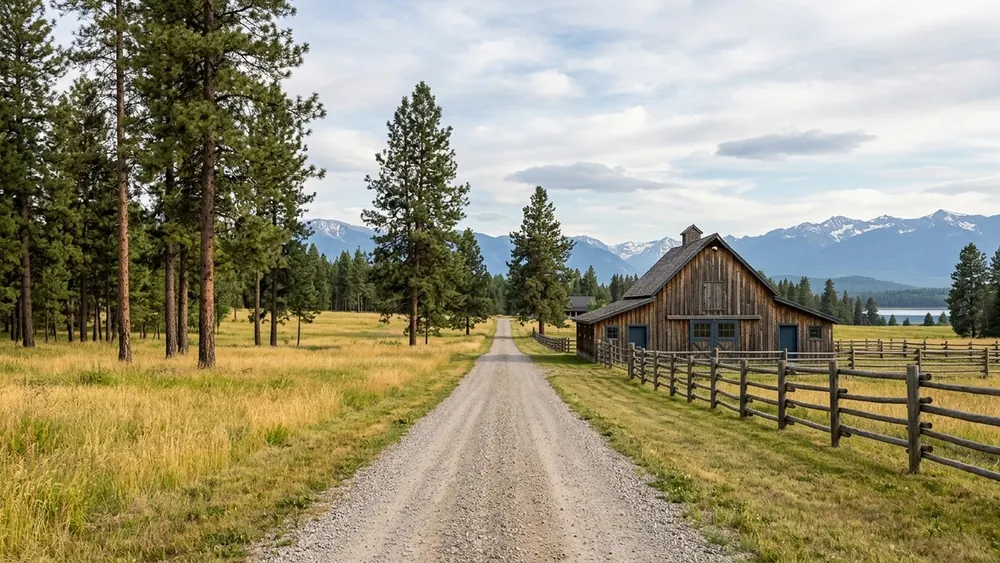
Ask about boundaries, access and easements, outbuildings, upkeep, and the well and septic systems, then confirm each answer with the county, a surveyor, a title company and qualified professionals before you make an offer.
On this page
The questions that matter on acreage
Before buying a property with a lot of land near Bigfork, ask where the boundaries are, how the property is reached, whether any easements apply, what the outbuildings are and what condition they are in, how much upkeep the land asks of you, and what the well and septic systems are. Then confirm each answer with the county, a surveyor, a title company and qualified professionals, not with a listing description.
Why does this matter? A house on acreage is really two purchases at once: a home and a piece of land. The home has its own questions, from condition to systems. The land brings questions about records, access and responsibility that a resort townhome usually does not. Knowing both lists before you tour helps you compare properties on the things that will shape daily life after closing.
This article gives questions and sources, not rules. It does not explain what the county allows on any parcel, how any water or septic system should work, or what a property is worth. Those answers belong to the responsible office or professional, and they can change. Your job, with an agent’s help, is to know what to ask and who to ask, in a sensible order.
Begin with how you will use the land
Land means different things to different buyers. Some want room and privacy around a home. Others want space for a shop, a garden, animals or storage for boats and gear. Some plan to live there through every season, and others plan to visit. Each use changes which questions come first, so write down what you actually picture doing on the property before you start comparing parcels.
Upkeep is part of that picture. More land usually means more to look after, whether that is clearing, fencing, maintaining a driveway or caring for outbuildings. Think honestly about how much of that work you want to do yourself, how much you would hire out, and how that changes if you are away for long stretches. Those answers shape the kind of property that will fit.
Seasons matter here as they do at Whitefish Mountain Resort. A property you first see in summer is worth picturing in deep winter, including how you would reach it and what chores come with the snow. If you cannot visit in another season, ask for photos and write down the questions only another season would answer. Conditions on roads and land are confirmed with local and state authorities, not assumed.
Boundaries, access and the paper trail
Start with what you are actually buying. Ask whether the boundaries have been surveyed and whether the markers on the ground match the records. A surveyor answers that question for a specific parcel. The county holds property records, and a title company reviews ownership and anything recorded against the land. Gathering these early means you are not relying on a fence line or a listing map to tell you where a property ends.
Access is the next question. Ask how the property is reached, who maintains the way in, and whether anyone else has a right to cross the land or whether you rely on a right to cross someone else’s. Easements are recorded matters, so a title company and, where needed, a real estate attorney are the right people to explain what applies to a specific property and what it means for you.
Then ask about land use in general terms. If you have plans for the property, from a new outbuilding to dividing land later, take those plans to the county and ask what applies to that parcel before you count on them. Do not assume that what a neighbor has done, or what a listing suggests, tells you what you could do. Write down the question, the office you asked and the answer you received.
Water, septic and the systems you inherit
A property outside town may rely on its own systems for water and wastewater. That makes them some of the most important questions on the list, and some of the most technical. This article does not explain how any system should work or what it should pass. It points you to the people who do. Ask the seller and your agent for what records exist, then take these questions to qualified professionals:
- What water source serves the home, and what records exist for it
- What septic system is in place, and when it was last serviced
- Which qualified well and septic professionals should review each system before closing
- What the county has on record for the systems and any past permits
Ask about these early in your process, not after an offer is accepted. A qualified well professional and a qualified septic professional can tell you what they would look at for that specific property, and a licensed home inspector can review the home itself. Your agent helps you fit those reviews into your timeline and keeps the questions organized as answers come back.
Who answers which question on acreage
One of the most useful things you can do on a land purchase is match each question to the right source. It keeps you from taking an answer from the wrong person and saves time when something needs to be confirmed. Here is a simple map of the questions above and who gives the official answer for a specific property:
| Question | Why it matters | Who confirms it |
|---|---|---|
| Where are the boundaries? | You know exactly what land you are buying | A surveyor and the county records |
| How is the property reached? | Access shapes daily life in every season | A title company or real estate attorney |
| Are there easements on record? | Others may have rights across the land | A title company |
| What are the water and septic systems? | They shape daily living in the home | Qualified well and septic professionals |
| What can I build or change? | Your plans depend on what applies | The county |
Keep this map with your notes on each property, and add a column for the answer and the date you received it. Answers can change, and records get updated, so a note of who said what and when is worth having. Your lender and an insurance agent belong on the list too, since land and outbuildings can affect financing and coverage questions.
Common assumptions that cause surprises
The first assumption to avoid is treating a listing description as confirmation. A listing may describe acreage, outbuildings or access in general terms, but it is a starting point, not a survey or a title report. The second is assuming a property with land comes with the same kind of documents as a resort home. There may be no HOA to ask, so more of the answers come from records and professionals.
A third assumption is that a buyer from another state can sort all of this out after closing. Distance makes preparation matter more, not less. If you live elsewhere, plan for how you will see the property, who will attend inspections and reviews, and how you will get answers to questions while you are away. A clear question list helps you make good use of every visit.
Your next step before touring land
Before you start touring land near Bigfork or elsewhere in the Flathead Valley, gather a few things. Writing them down now makes every showing and every conversation more useful, and it gives you a way to compare one parcel against another on the points that matter to you rather than on first impressions. It also shows you, early, which professionals you will want lined up. Start with this short list:
- A plain description of how you would use the land in each season
- Any plans you have, such as an outbuilding, a garden or storage
- Your financing questions for a lender, including how land affects them
- A page listing the surveyor, title company, inspector and specialists you may need
Alexis’s co-listed work with teammate Stephanie Skinner has included a lake-area acreage home in Bigfork and a single-family home on acreage at Whitefish Mountain Resort. Her role is the real estate side: comparing specific properties and helping you build the list of questions each one raises. The official answers come from the county and the professionals above. Which question about the land feels least clear to you right now, and would it help to start there?
This article is general information about buying and selling property at Whitefish Mountain Resort and around the Flathead Valley, Montana. It is not legal, tax, lending, valuation or inspection advice and does not predict prices or promise results. Confirm HOA and rental rules with the HOA and the local authority, land, shoreline and water questions with the county and qualified professionals, financing with a lender, and title with a title company. Alexis Waite Kennedy, Glacier Sotheby’s International Realty.

Written by